Ice Dams: Causes, Risks & Prevention
Sponsored link, at no extra cost to you. As an Amazon Associate I earn from qualifying purchases. How we're funded
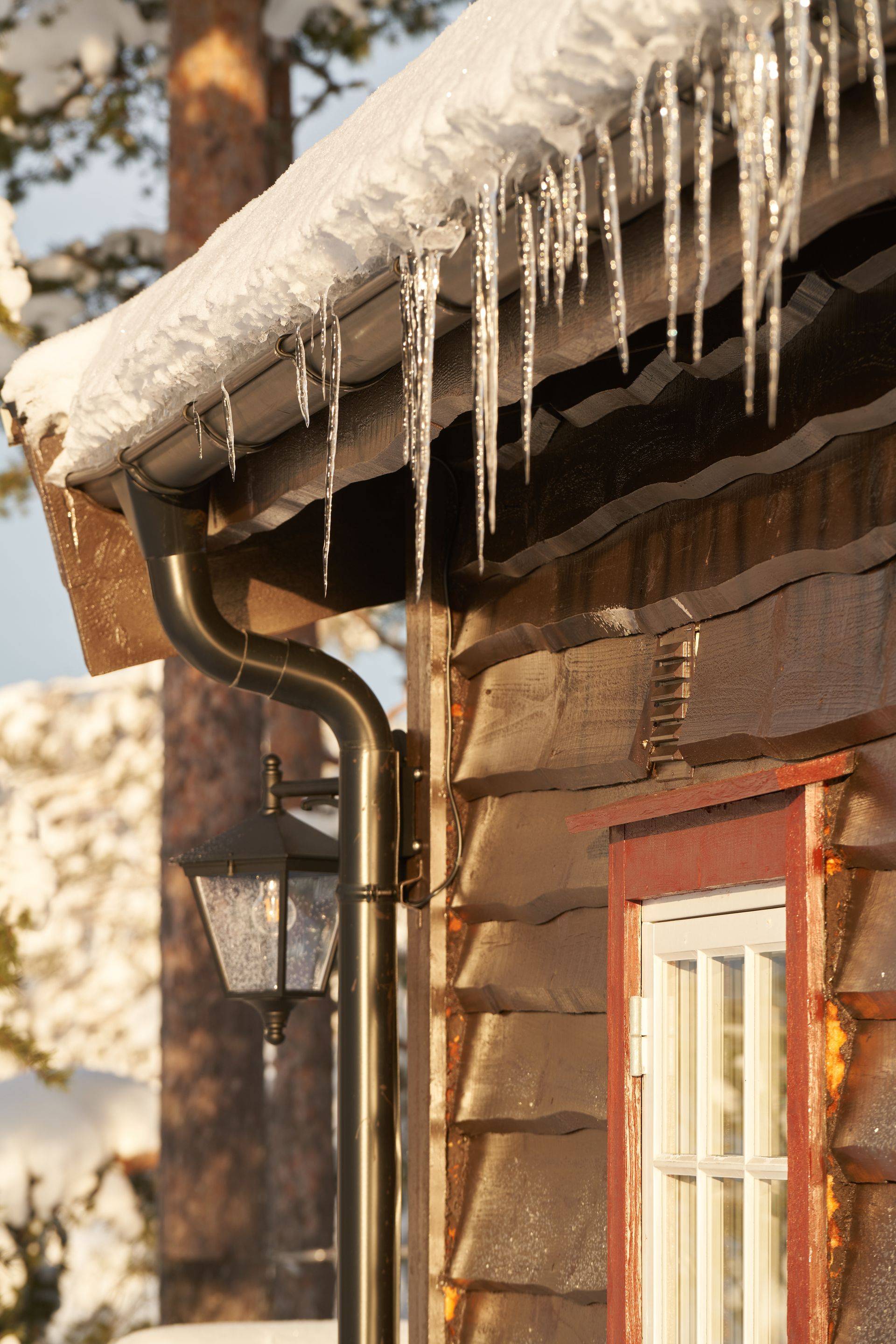
An ice dam is a ridge of ice that builds up at the eave of a roof, blocking meltwater from draining and forcing it to back up underneath the shingles. Despite the name association, it’s not fundamentally a gutter problem.
What actually causes ice dams
Heat escaping through an under-insulated or poorly ventilated attic melts snow on the upper, warmer part of the roof. That meltwater runs down the roof surface and refreezes once it reaches the eave overhang, which stays colder because there’s no heated living space directly beneath it. Repeated over days or weeks, that freeze-thaw cycle builds up a genuine ridge of ice, and the water still coming down from above has nowhere to go but backward, under the shingles.
Why it targets the gutter line specifically
The eave overhang is the coldest part of most roofs by design. It extends past the heated interior, so there’s nothing warming it from below the way there is further up the roof slope. That’s exactly why ice dams build where the gutters happen to be, which creates the common but inaccurate impression that gutters are somehow responsible.
Safety
Never climb onto an icy roof to address an ice dam directly. A roof rake used from the ground to clear snow before it can melt and refreeze is the safe option. Chipping at ice from a ladder or the roof itself is a genuine fall risk every winter.
The real risk isn’t the ice itself
Backed-up water working under shingles and into the attic or wall cavity is where the actual damage happens: stained ceilings, soaked insulation, and in bad cases, damage to interior finishes. The gutter itself is usually the least of what’s at stake once an ice dam has formed. It might get pulled or damaged by the ice weight, but that’s a minor repair next to water damage inside the house.
Prevention starts in the attic, not on the roof
Insulation and ventilation that keep the entire roof deck at a uniform, cold temperature are the actual fix, because a roof that never has a warm patch never gets the melt-refreeze cycle started in the first place. This means the most effective ice dam prevention often has nothing to do with gutters or roofing work at all. It’s an attic project. See our maintenance schedule guide for freeze-risk-specific timing on when to have this checked before winter.
Heat cable is a patch, not a fix
A heated gutter cable can reduce ice buildup along the specific run it covers, which makes it a reasonable stopgap for one section of roof that’s difficult or expensive to properly insulate. It doesn’t address the underlying heat loss, though, so running one every winter without ever fixing the attic issue means paying an ongoing electricity cost for a problem that has a one-time fix available.
What a clear gutter still does for you
Even though gutters don’t cause ice dams, a gutter clogged with autumn debris gives meltwater nowhere to go once it does reach the eave, which can make an ice dam’s effects worse even though the clog didn’t create the dam itself. Clearing gutters before the first hard freeze remains worth doing for this reason, just not as the primary prevention strategy.
When it’s worth a professional energy audit
If ice dams have caused actual interior damage in past winters, not just ice buildup, but real water intrusion, a professional energy audit will find specific heat-loss points that a visual attic check from the hatch is likely to miss, particularly around recessed lighting, bathroom vents, and the attic access hatch itself.
Want a pro to handle it?
The fastest way to learn what this job costs where you live is to have a few local contractors price it.
- Describe the job once and compare several local pros
- Quotes are free, and you're not committed to hiring anyone
- Worth doing even if you fix it yourself — it tells you what the work is worth
Sponsored link — we may earn a commission if you request a quote, at no cost to you. How we're funded
Find gutter repair help on AngiYou continue on Angi to describe the project.
Frequently asked questions
Do gutters cause ice dams?
No. Ice dams form from heat loss through the roof, not from the gutters themselves. Gutters just happen to sit where the resulting ice usually builds up, which is why the two get mentally linked even though the cause is elsewhere.
Can I remove an ice dam myself once it's formed?
Carefully, and only from the ground with a roof rake designed for the purpose. Climbing onto an icy roof to chip at a dam is genuinely dangerous and a common cause of winter falls.