Gutter products, chosen by what goes wrong
There is no best gutter product in the abstract, and treating these as product rankings is how most people buy the wrong one. Each of the four choices below is settled by a single physical fact about your house — not by which listing carries the most reviews.
Start with the symptom, not the product
Find what is actually happening at your house. The middle column is the thing that decides the answer, and it is usually not the thing the packaging talks about.
| What is happening | What decides the fix | Worked through in |
|---|---|---|
| Pine needles and roof grit keep ending up in the trough | Guard aperture — screens pass needles straight through | Gutter guards |
| Broad leaves pack the gutter solid every autumn | Guard type — reverse-curve sheds them, screen filters them | Gutter guards |
| You cannot reach the gutter safely to clear it | Reach, not suction — house height rules most tools out | Cleaning tools |
| Water pools against the foundation after rain | How far the water is carried, not what the tube is made of | Downspout extensions |
| A seam or joint drips even when the gutter is clear | Sealant chemistry, and surface prep more than either | Gutter sealants |
| Ice builds along the eaves every winter | Attic heat loss — heat cable manages the symptom, not the cause | Ice dams |
The four decisions

How to Choose Gutter Guards by Debris Type
Which gutter guard type actually suits your debris, roof access, and climate, with installed costs and the cases where guards aren't worth fitting.
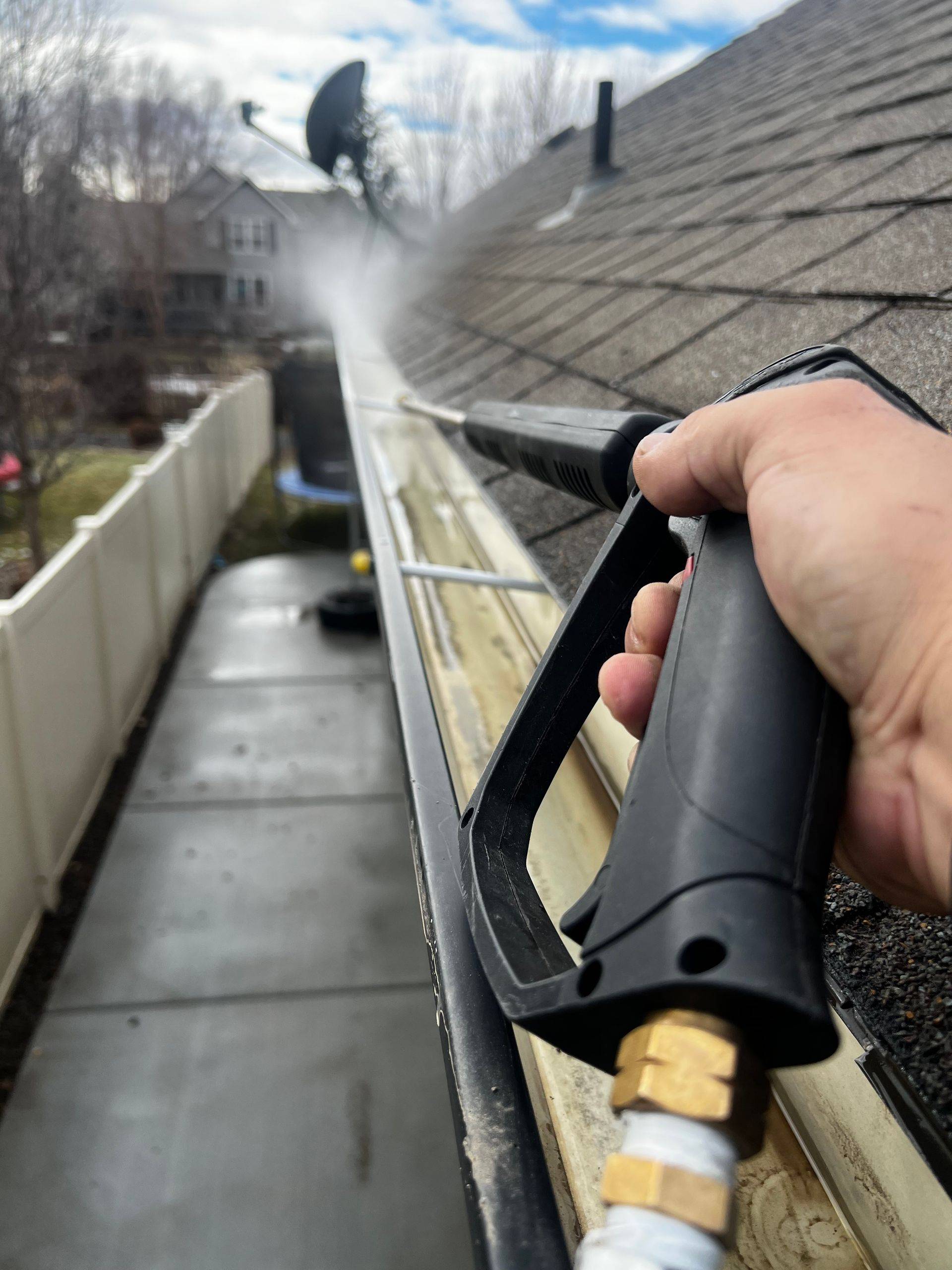
How to Choose Gutter Cleaning Tools
Which gutter cleaning tool suits your home height and debris type, what each one genuinely can't do, and when buying tools costs more than hiring out.
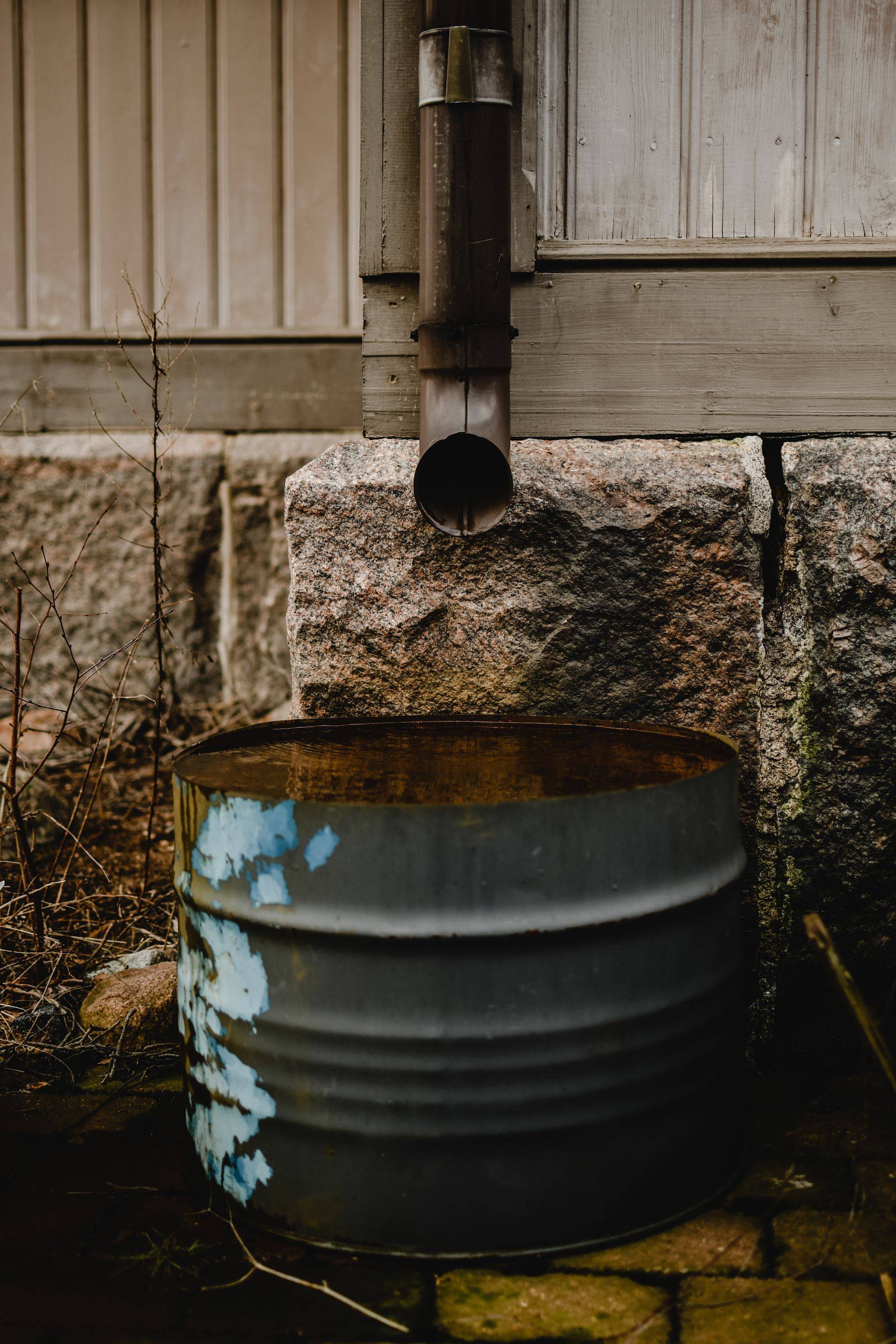
How to Choose a Downspout Extension
How far your downspout water actually needs to go, which extension type suits your lot and soil, and when surface extensions aren't enough.

How to Choose a Gutter Sealant
Which sealant actually bonds to aluminum and survives freeze cycles, why surface prep decides the outcome, and when sealing is the wrong fix.
How we choose, and what we do not do
We do not lab-test
These are decision guides, not product rankings. Types are compared on published specifications, aperture against common debris, and what fitting each one actually involves.
We do not pin one product
Our Amazon links open a search filtered to the spec that decides the choice. You get current stock and current reviews, and nothing here quietly rots when a model is discontinued.
We do not quote retail prices
A hand-copied price is stale the day it is written. The installed-cost ranges on each pillar are our own research into what the work costs, and each carries the date it was reviewed.
If you already know what you need
Each of these opens an Amazon search filtered to the specification the guides above say decides that choice. If you are not sure yet, read the pillar instead — that is where the trade-offs are.
Sponsored link, at no extra cost to you. As an Amazon Associate I earn from qualifying purchases. How we're funded
Common questions
Which gutter product is best?
None of them, in the abstract. Every category here is settled by something about your house rather than by product quality: guards by the debris that falls on your roof, tools by how high your gutters are, extensions by how far water has to travel, sealants by whether the joint moves. A cheap product matched to the right condition outperforms an expensive one matched to the wrong one.
Do you test these products yourselves?
No. We compare types on published specifications, physical aperture against common debris, and what installation actually involves. We do not run controlled tests and we do not describe ourselves as having done so. Where a specific model matters, check current listings and reviews — models change faster than this site does.
Why do your Amazon links open a search instead of one product?
Because we have not tested a specific model, and pinning one would imply that we had. A filtered search puts you on the shelf matching the specification the guide says decides that choice, with current stock and current reviews. It also cannot rot: a pinned product goes out of stock or is discontinued, and the link quietly stops being useful.
Why are there no prices on this page?
Amazon's terms do not allow a static retail price to be displayed outside their own API, and a price copied out by hand is stale the day it is written. The installed-cost ranges on each pillar are our own research into what the work costs, which is a different thing, and each carries the date it was last reviewed.