Foundation Drainage: How Gutters Protect Your Foundation
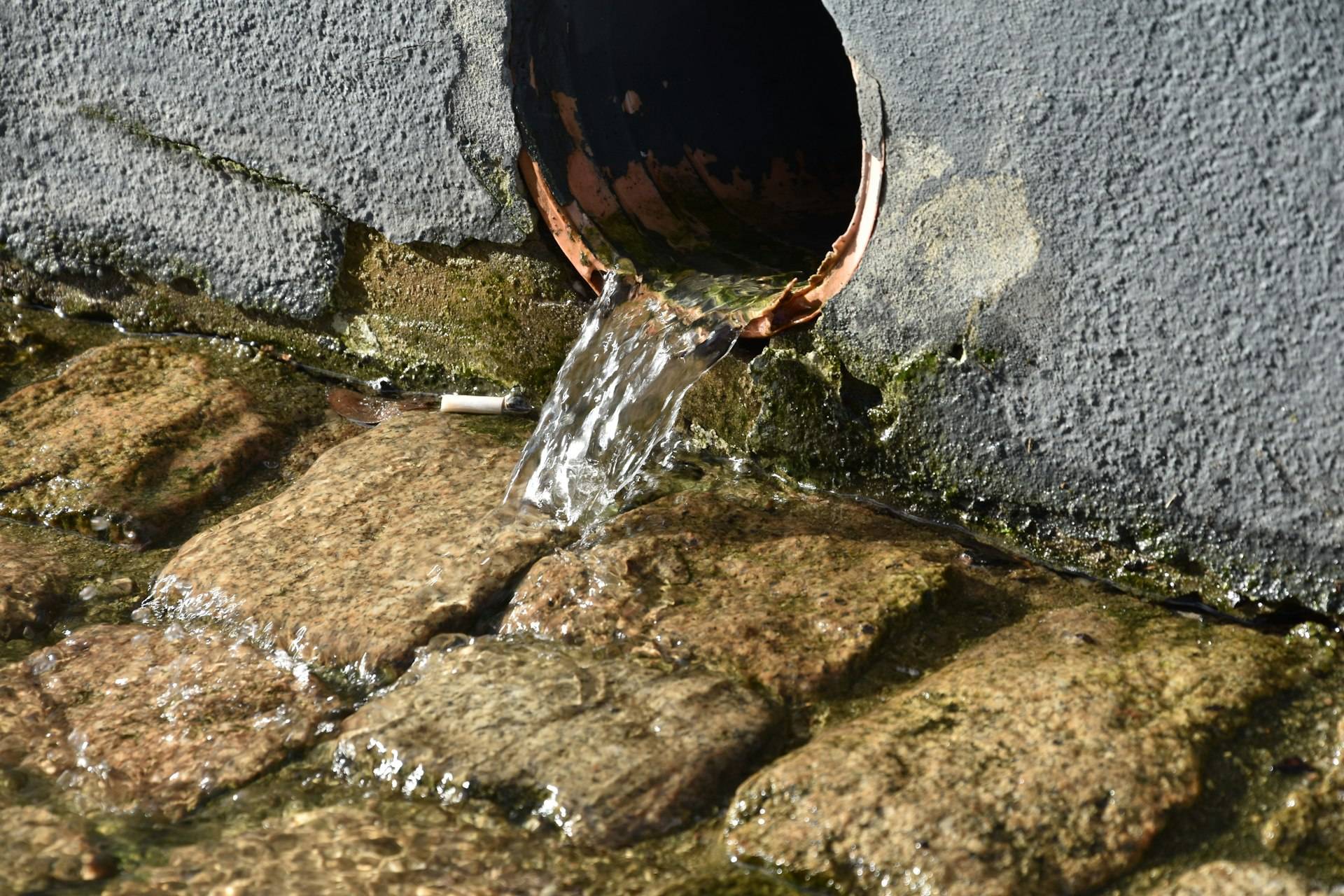
Basement moisture is frequently a gutter problem wearing a foundation problem’s clothes. Foundation contractors routinely find that the cause of a damp basement is a downspout discharging against the wall rather than anything structural, which is genuinely good news, because that’s the cheapest fix in this entire category.
The question worth answering before spending anything significant is which of the two you have.
Why concentrated water does the damage
A roof collects water across its whole surface and then delivers all of it to a handful of discharge points. That’s the part homeowners underestimate. The same total rainfall spread evenly across a garden is harmless; the same volume arriving repeatedly in the same few square feet beside a wall is not.
Every rain event repeats it in exactly the same place, which is why the damage is cumulative and why it concentrates so predictably near one downspout.
Telling drainage from structural
These signals distinguish them reasonably reliably.
Points to drainage:
- Moisture appears after rain and dries out between
- It concentrates near one downspout or one corner
- It’s seasonal, worse in the wet part of the year
- There’s visible pooling or erosion outside at that spot
- Efflorescence, the white mineral powder, on the inside wall at that location
Points to something structural:
- Cracks that widen over time regardless of weather
- Doors and windows that stop closing properly
- Floors noticeably out of level
- Horizontal cracking in a basement wall, which suggests lateral soil pressure
- Damp with no relationship to rainfall
Note
Horizontal cracks in a basement wall, or a wall visibly bowing inward, warrant a structural engineer rather than a drainage fix. That’s soil pressure, not surface water, and it’s the one case here where waiting is genuinely risky.
Clay soil raises the stakes
Expansive clay doesn’t just hold water; it swells when wet and shrinks when dry, sometimes substantially. That means the soil around the foundation is physically moving through the year, loading and unloading the wall rather than merely staying damp against it.
On clay, poor drainage is a mechanical problem as well as a moisture one, which is why the recommended discharge distances are longer there. Much of Texas, Oklahoma, and Colorado’s Front Range sits on expansive clay, and our state guides note where this applies.
Grading and downspouts are one system
Extending a downspout onto ground that slopes back toward the house solves nothing. The two have to work together: water needs to be carried clear of the foundation and the ground needs to keep taking it away.
The soil immediately around a house should fall roughly six inches over the first ten feet. This is worth checking directly, because backfill settles over the years after construction and grading that was correct originally often isn’t now. A common failure is a flowerbed built up against the wall that traps water precisely where it does the most harm.
Want a pro to handle it?
The fastest way to learn what this job costs where you live is to have a few local contractors price it.
- Describe the job once and compare several local pros
- Quotes are free, and you're not committed to hiring anyone
- Worth doing even if you fix it yourself — it tells you what the work is worth
Sponsored link — we may earn a commission if you request a quote, at no cost to you. How we're funded
Find gutter and drainage help on AngiYou continue on Angi to describe the project.
Try the cheap fixes first
They’re inexpensive enough that ruling them out is worth doing before assuming anything worse:
- Extend the downspouts. Four to six feet minimum, ten or more on clay or with a basement. Our extension picks cover the options.
- Fix the grade in the first ten feet. Often just adding and compacting soil.
- Clear the gutters. An overflowing gutter discharges along its whole length rather than at controlled points, which is drainage failure disguised as a maintenance issue.
- Check where buried drainage actually goes, if you have it. Buried pipe blocks with roots and silt, and a blocked line discharges at the foundation exactly like no line at all.
Most of that is under a few hundred dollars against foundation work that runs into thousands. Do it, then watch through a wet season before concluding anything.
When it’s genuinely structural
If moisture persists after downspouts are properly extended, grading is corrected, and buried drainage is confirmed clear, that’s the point to bring in a specialist rather than continuing to troubleshoot surface water.
Persistent cracking, doors and windows that no longer close, visible settling, or horizontal wall cracks all point past drainage. At that stage drainage fixes alone won’t resolve it, though they’re usually still needed alongside whatever structural work follows, because the water that contributed to the problem doesn’t stop arriving on its own.
Frequently asked questions
Can bad gutters really cause foundation problems?
Yes. A downspout discharging next to the foundation is among the most common and most fixable contributors to foundation moisture, and it's often the first thing a foundation contractor checks before considering a structural cause.
How do I know if my foundation issue is drainage-related?
Moisture that appears seasonally, tracks with heavy rain, or concentrates near one downspout points strongly to drainage. Cracks or settling unrelated to weather patterns point toward something structural.
How far should water be discharged from the foundation?
Four to six feet minimum on ground that slopes away, and ten feet or more on clay soil, flat lots, or with a basement. The ground beyond the discharge point also has to slope away, or the extension has moved the problem rather than solved it.
Is efflorescence on my basement wall serious?
It confirms water is moving through the masonry, which is worth acting on, but the white powder itself is only mineral deposit left behind as water evaporates. It's a symptom to trace, not damage in its own right.