Sagging Gutters: Causes & Fixes
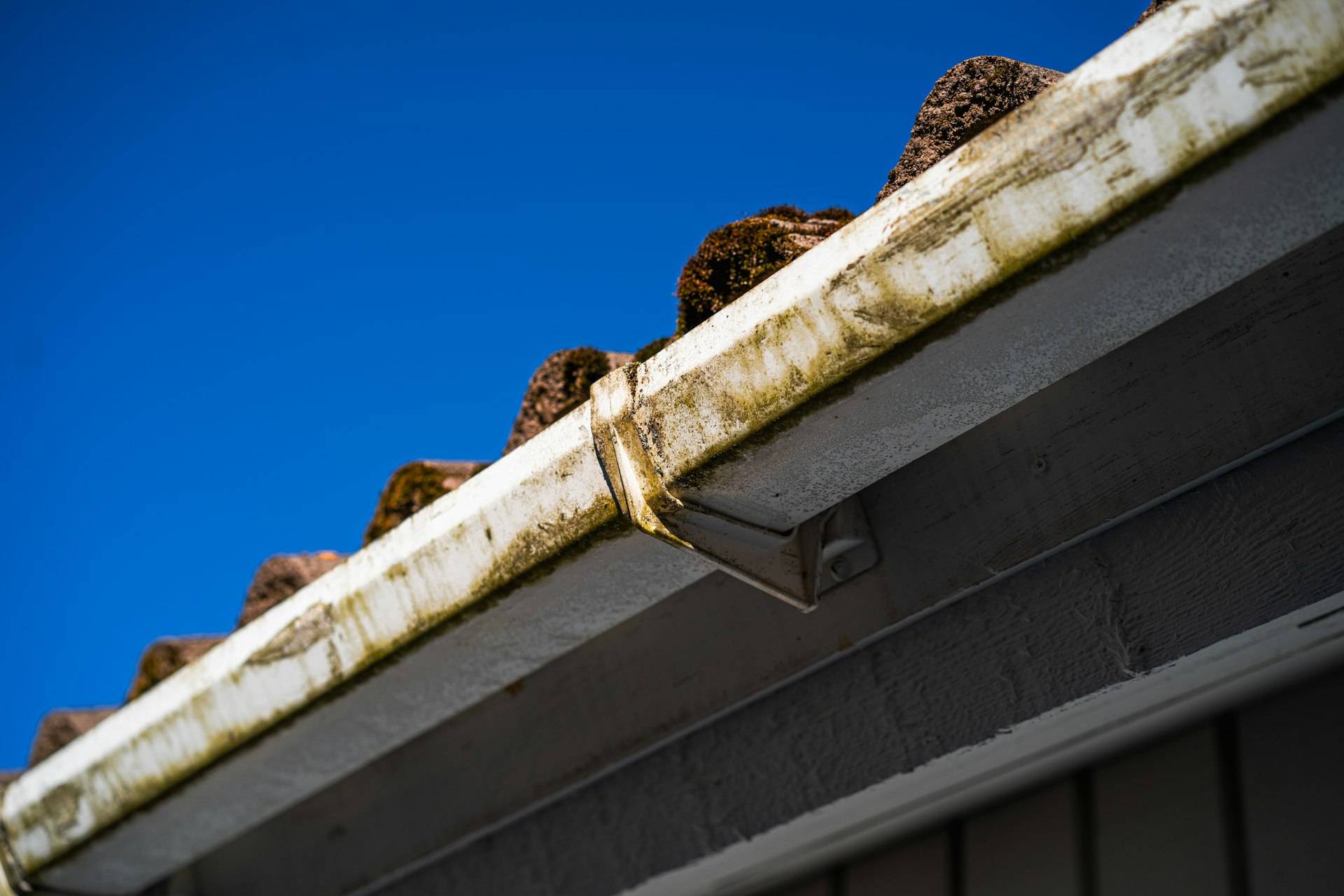
A sagging gutter is a hanger problem, not a gutter problem. The metal itself is rarely at fault. What fails is the connection between gutter and house, either because the fasteners have worked loose or because the wood they’re anchored into has gone soft.
That distinction decides the repair. Loose hangers are a cheap fix. Soft fascia is not, and re-hanging without addressing it produces a sag that returns.
Hangers work loose gradually
Aluminum expands and contracts measurably across a temperature range, and a gutter run does that thousands of times over its life. Each cycle works fasteners fractionally out of the wood. A section that appears to fail overnight has usually been loosening for seasons.
Spike-and-ferrule fasteners, the older method, are especially prone to this because a smooth spike has nothing to resist withdrawal. Screwed hidden hangers hold considerably better, which is why they’re now standard and why re-hanging with the same spikes that already failed is a false economy.
Weight is the trigger, not the cause
A gutter packed with wet debris carries far more weight than an empty one, and ice carries more still. That extra load is usually what finally pulls a marginal hanger free.
This produces a predictable misdiagnosis. A homeowner notices sagging right after a storm and concludes the storm caused it, when the storm only supplied the last increment of weight to a fastener that had been letting go for a year. Fixing the hanger without addressing why the gutter was full puts you back in the same place.
Ice load in freeze climates
Standard hanger spacing assumes rainfall, not weeks of accumulated ice. In hard-freeze regions the sustained weight is an order of magnitude beyond what the spacing was designed for, which is why closer spacing is a genuine specification question there rather than an upsell.
If your gutters sag every winter and get re-hung every spring, the spacing is the problem, not the hangers. Our state guides cover which climates make this a real consideration.
Note
Never lean a ladder against a gutter. It’s a common cause of the exact sag people then call about, and the damage often isn’t obvious until the next heavy rain reveals a new low spot.
Telling a hanger problem from a fascia problem
This is the diagnosis that decides whether a repair holds, and you can do it from a ladder without tools.
Press the fascia board behind the gutter with a thumb. Sound wood is firm. If it gives, feels spongy, or a screwdriver pushes in easily, that’s rot and hangers will not hold in it.
Look at the pattern. Sagging at one point between two sound hangers is a hanger issue. Sagging that returns in the same spot after repair, or a run of hangers all loosening together, points at the board.
Check for water staining on the fascia. Persistent overflow at one spot means water has been running down that board for a long time, which is exactly how rot starts.
Re-pitching, step by step
Re-pitching means loosening the hangers along a run, resetting the gutter to a consistent fall, and re-securing. The target is roughly a quarter-inch of drop per 10 feet toward the downspout.
Too little fall and water stands rather than draining, which accelerates corrosion from the inside and breeds mosquitoes. Too much and it reads as visibly crooked against the fascia line while wasting capacity at the high end.
The step that separates a good result from a poor one is working to a chalk line rather than by eye. On long runs, installers often pitch from a high point in the middle toward downspouts at both ends, rather than running a single fall across the whole length, which would leave one end noticeably low.
Want a pro to handle it?
The fastest way to learn what this job costs where you live is to have a few local contractors price it.
- Describe the job once and compare several local pros
- Quotes are free, and you're not committed to hiring anyone
- Worth doing even if you fix it yourself — it tells you what the work is worth
Sponsored link — we may earn a commission if you request a quote, at no cost to you. How we're funded
Find gutter repair help on AngiYou continue on Angi to describe the project.
When it’s more than a re-pitch
Three things move this past a hanger fix:
- Bent, cracked, or corroded metal. Re-pitching won’t restore a deformed profile, and sealant needs sound material to bond to.
- Soft fascia. The board has to be repaired or replaced first. Our gutter repair guide covers what that adds.
- More than about a third of the run affected. At that point the labor of repeated visits approaches the cost of a full re-hang.
Preventing the repeat
Regular clearing keeps debris weight off the hangers, which does more to prevent recurrence than any single repair. A section re-pitched once and then left for two seasons is a strong candidate to sag again in exactly the same place.
If you’re in a freeze climate, ask specifically about hanger spacing when anything is re-hung. That’s the one variable most likely to have been wrong from the original installation, and it costs almost nothing to correct while the work is being done anyway.
Frequently asked questions
Why is my gutter sagging?
Almost always a hanger problem rather than a fault in the gutter. Thermal expansion works fasteners loose over seasons, and the weight of wet debris or ice is usually what finally pulls a marginal hanger free.
Can a sagging gutter section be fixed without replacing it?
Usually yes. Re-securing or adding hangers and resetting the pitch fixes most sagging that isn't caused by material failure. Replacement only becomes necessary if the metal itself has bent, cracked, or corroded through.
How much pitch should a gutter have?
About a quarter-inch of drop per 10 feet of run toward the downspout. That's enough to drain fully without looking visibly crooked from the ground.
Why does the same section keep sagging after repair?
Repeat failure in one spot usually means the fascia board behind the gutter is soft. Hangers won't hold in rotted wood no matter how well they're fitted, so the fascia has to be repaired before re-hanging is worth doing.