Water Pooling Around Your Foundation? Start With Downspouts
Sponsored link, at no extra cost to you. As an Amazon Associate I earn from qualifying purchases. How we're funded
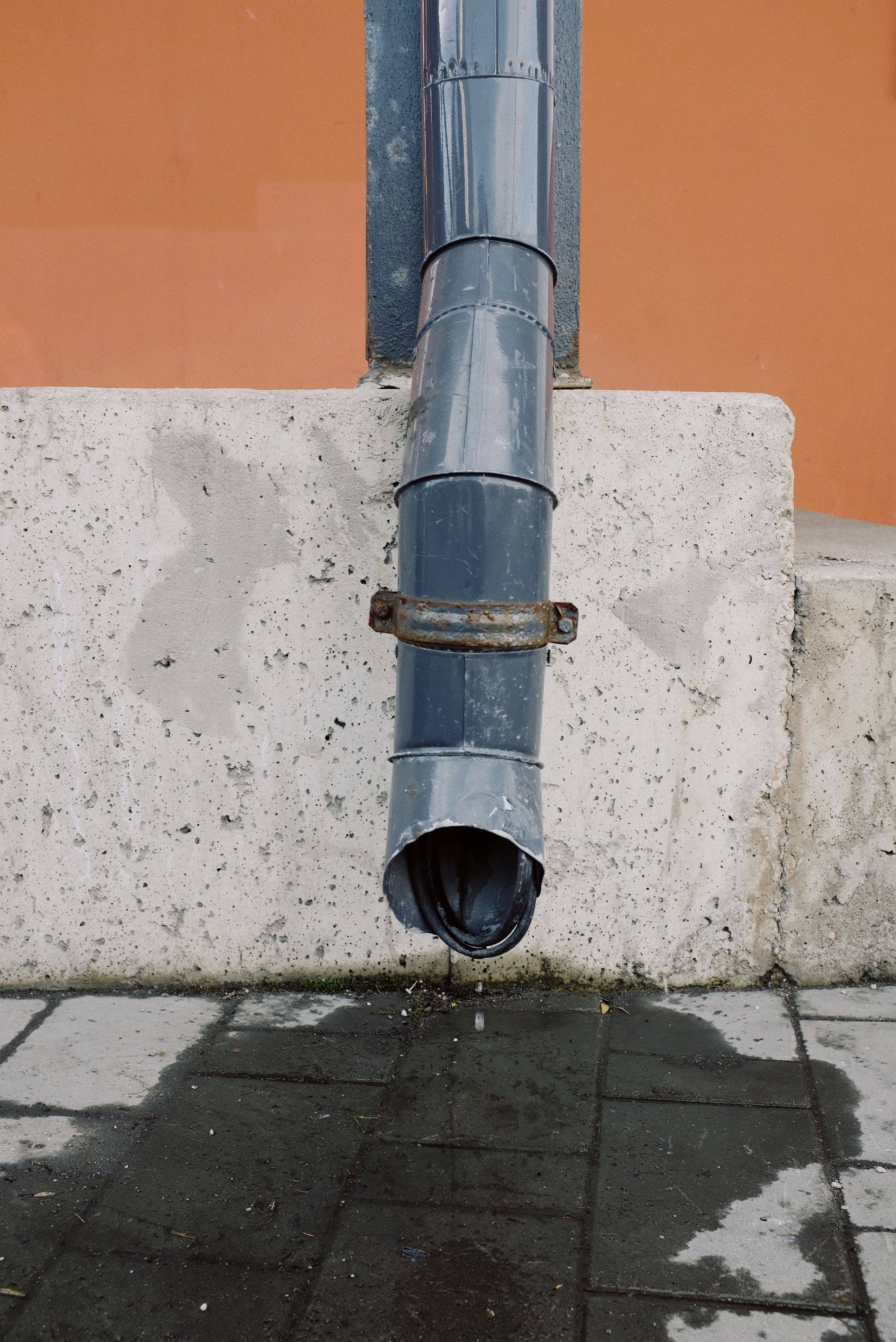
Before assuming a foundation problem, walk the perimeter of your house after a rain and see exactly where each downspout actually discharges. It’s a five-minute check that rules out the single most common, and most fixable, cause of moisture near a foundation.
The cheapest thing to check first
Foundation contractors frequently find that the root issue behind a basement moisture complaint isn’t the foundation itself. It’s a downspout with no extension dumping water in the same spot every time it rains. That’s not a knock on homeowners for missing it; a downspout doing exactly this can look completely unremarkable from a normal vantage point, and nobody thinks to trace a damp basement back to a four-inch pipe outside.
Why this matters more than it seems like it should
A roof collects water across its entire surface and concentrates all of it at a handful of discharge points. Without extension, that concentrated volume lands in the same few square feet next to the foundation, over and over, every single rain event. That’s a fundamentally heavier, more repetitive load on that specific spot than the same total rainfall spread evenly across the yard would create.
Grading works alongside downspouts
Even a well-extended downspout won’t help much if the ground immediately around the house slopes back toward it instead of away. It’s worth checking both at the same time: stand at the foundation line after a rain and see which direction water is actually moving, not which direction you assume it should be moving based on how the yard looks.
Why clay soil makes it worse
Expansive clay soils swell when wet and shrink when dry more dramatically than sandy or loamy soil, which amplifies the effect of poor drainage. The soil itself is moving with moisture content, not just holding water passively, and that movement is what stresses a foundation over repeated cycles.
A cheap first fix worth trying immediately
A basic flexible downspout extension costs very little and takes minutes to install, which makes it worth trying before any more invasive foundation work, even if you’re not fully confident it’ll solve the whole problem on its own. If it visibly helps but doesn’t fully fix things, that’s useful information before spending more.
When it’s genuinely a foundation issue
If moisture problems persist after downspouts are properly extended and grading is corrected, that’s the point to bring in a foundation specialist rather than continuing to troubleshoot drainage. Persistent cracking, doors and windows that no longer close properly, or visible settling point toward something structural. Drainage fixes alone won’t resolve those, and it’s worth not delaying a professional opinion once you see signs like that.
Want a pro to handle it?
The fastest way to learn what this job costs where you live is to have a few local contractors price it.
- Describe the job once and compare several local pros
- Quotes are free, and you're not committed to hiring anyone
- Worth doing even if you fix it yourself — it tells you what the work is worth
Sponsored link — we may earn a commission if you request a quote, at no cost to you. How we're funded
Find gutter and drainage help on AngiYou continue on Angi to describe the project.
Frequently asked questions
How close is too close for a downspout to discharge near the foundation?
Anything less than about 4-6 feet is worth extending further, especially on clay soil or a lot that's flat or slopes back toward the house.
Should I fix grading or downspouts first?
Do both together if you can — they're two halves of the same problem, and fixing only one often produces disappointing results that get incorrectly blamed on the other cause.
Up next
Foundation Drainage: How Gutters Protect Your Foundation
How to tell whether basement moisture is a drainage problem or a structural one, and why the cheap fix is worth ruling out first.
Downspouts: Placement, Sizing & Extensions
How many downspouts a house needs, what size they should be, and how far from the foundation they need to discharge.