Gutter Replacement Cost: What Drives the Number
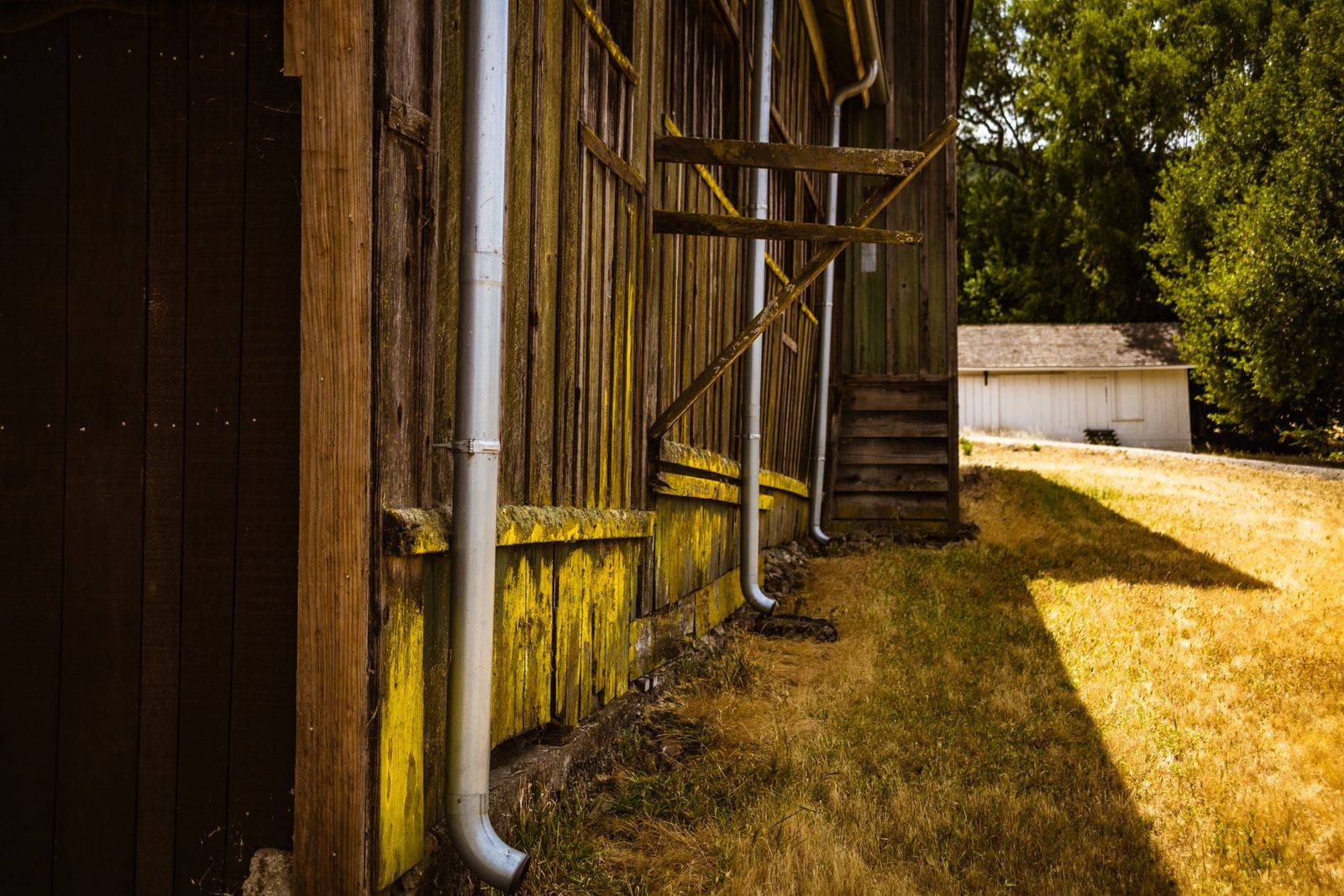
A full gutter replacement is priced mainly on material choice, whether it’s seamless or sectional, and story height — not a single flat number that applies evenly to every home.
Material choice moves the price more than anything else
Vinyl is the cheapest option upfront and never needs painting; aluminum sits in the middle and is the most common material installed nationally; steel and copper cost meaningfully more but bring real durability or aesthetic advantages in return. Our materials guide covers the tradeoffs between them in detail — it’s worth reading before a quote arrives, since a quote’s price often tells you more about which material was assumed than about the crew doing the work.
Seamless vs sectional changes labor cost, not just material cost
Seamless gutters are formed on-site from a coil of aluminum by a crew with specialized equipment, which adds labor cost that a sectional install doesn’t necessarily carry. Sectional gutters come in fixed lengths a confident homeowner can install without that equipment. The tradeoff isn’t just price — seamless reduces the number of long-term leak points a system has, since sectional runs have a joint roughly every ten feet. Our seamless vs sectional comparison goes through the full tradeoff.
Story height affects safety equipment and time, not just gutter length
A two-story or steep-roof home costs more to service safely than a single-story one, independent of the actual linear footage of gutter involved. The added cost comes from access equipment and the extra time working safely at height requires, not from more material being used. This is the same factor that drives cleaning quotes up on taller homes, and it applies at least as much to a full replacement.
Tear-off and disposal of the old system
Removing and hauling away the existing gutters is usually part of a replacement quote, but it’s worth confirming rather than assuming. An old steel system with rusted-through sections can be heavier and more awkward to remove than the new material going up, and a quote that doesn’t clearly state whether tear-off and disposal are included is a quote worth a follow-up question before you book it.
Permits: usually not required, sometimes are
Most municipalities don’t require a permit for a like-for-like gutter replacement, but some do once the job is tied to broader roofing work or involves structural changes to fascia. Checking with your local building department before a major replacement avoids a surprise mid-project, particularly if the job scope grows once the crew gets a closer look at what’s underneath the old system.
A rough sense of cost by material
| Material | Typical range, installed |
|---|---|
| Vinyl | $3–$12 per foot |
| Aluminum, sectional | $4–$14 per foot |
| Aluminum, seamless | $6–$20 per foot |
| Steel | $6–$35 per foot |
| Copper | $25–$40+ per foot |
| Ranges span published cost guides, not a quote. See our cost methodology. | |
Each range spans the figures published by the cost guides below, which price slightly different scopes; that is why some are wide. We haven’t collected quotes ourselves.
| Job | Published range | Source |
|---|---|---|
| Vinyl, installed | $8 – $12 per linear foot | HomeGuide, gutter installation cost |
| Vinyl | $3 – $6 per linear foot | Bob Vila, gutter installation cost |
| Vinyl and aluminum | $4 – $12 per linear foot | This Old House, gutter installation cost |
| Aluminum, installed | $10 – $20 per linear foot | HomeGuide, gutter installation cost |
| Aluminum | $4 – $14 per linear foot | Bob Vila, gutter installation cost |
| Seamless, installed (stated on HomeGuide's cleaning page) | $6 – $20 per linear foot | HomeGuide, gutter cleaning cost |
| Seamless, installed | $6.29 – $10.45 per linear foot | Homewyse, cost to install seamless gutters |
| Seamless premium over sectional | +$3 – $5 per linear foot | HomeGuide, gutter installation cost |
| Steel, installed | $10 – $35 per linear foot | HomeGuide, gutter installation cost |
| Steel / galvanized | $9 – $20 / $6 – $14 per linear foot | Bob Vila, gutter installation cost |
| Copper, installed | $25 – $40+ per linear foot | HomeGuide, gutter installation cost |
| Copper | $25 – $40+ per linear foot | Bob Vila, gutter installation cost |
| Each extra story | +$1 – $3 per linear foot | HomeGuide, gutter installation cost |
| Remove old gutters | $50 – $200 | HomeGuide, gutter installation cost |
| Fascia board replacement | $5 – $12 per linear foot | HomeGuide, gutter installation cost |
| Downspouts, installed | $30 – $75 each | HomeGuide, gutter installation cost |
These ranges are a starting sanity check against a real quote, not a number to hold any specific contractor to — regional labor rates and your home’s specific access and roofline complexity move the actual figure meaningfully in either direction.
Want a pro to handle it?
The fastest way to learn what this job costs where you live is to have a few local contractors price it.
- Describe the job once and compare several local pros
- Quotes are free, and you're not committed to hiring anyone
- Worth doing even if you fix it yourself — it tells you what the work is worth
Sponsored link — we may earn a commission if you request a quote, at no cost to you. How we're funded
Compare gutter installation options on AngiYou continue on Angi to describe the project.
How linear footage actually gets measured
A quote’s per-foot rate only means something once you know what it’s being multiplied by, and that’s not simply your house’s perimeter. Linear footage counts the actual gutter runs, including any that double back around dormers, bay windows, or an L-shaped roofline, which is why two homes with similar square footage can need noticeably different amounts of material. Asking an installer to walk you through how they arrived at the total footage, rather than just accepting a bottom-line number, is a reasonable way to catch a measurement error before it’s baked into the price.
Financing and staged replacement
A full-house replacement doesn’t have to happen all at once if the budget doesn’t stretch that far right now. Staging the work by roofline section, starting with whichever run is failing worst or causing the most active damage, spreads the cost out over time without leaving the most urgent problem unaddressed. It’s a reasonable compromise between “do it all now” and “keep patching everything indefinitely,” as long as you’re staging deliberately rather than just repairing whatever fails next in a reactive scramble.
When replacement beats repair
If the same section keeps failing after repeated repairs, or if multiple sections are showing age at once, that’s usually a sign the whole system is nearing the end of its useful life rather than having one isolated problem. Continuing to patch a system that’s broadly failing often costs more over a few years than one properly done replacement would have, even though each individual repair looks cheaper in isolation.
Getting a quote you can actually trust
A trustworthy quote specifies material, seamless or sectional, linear footage, and whether tear-off and disposal are included — not just a single bottom-line number. Getting two or three quotes described identically to each contractor is the most reliable way to calibrate what’s fair in your specific area, since national ranges like the ones above only go so far toward telling you what’s reasonable where you actually live.
Frequently asked questions
Is gutter replacement ever covered by homeowner's insurance?
Sometimes, if the damage traces to a specific covered event like a storm or falling branch. Gradual wear or neglect generally isn't covered. Check your specific policy's wording rather than assuming either way.
Do I have to replace the whole system, or can I replace just the damaged section?
Partial replacement is common and often the more sensible choice if the rest of the system is sound. A full replacement makes more sense once multiple sections are failing or the system is old enough that more damage is likely soon anyway.
Does replacing gutters mean replacing the fascia too?
Not automatically, but a good installer checks fascia condition before hanging anything new. Rotted or soft fascia won't hold hangers securely regardless of how good the new gutter is, so it sometimes gets bundled into the same job.
Up next
What Does Gutter Work Cost?
What gutter cleaning, repair, and installation actually cost, what moves the price, and how to tell a fair quote from a padded one.
Gutter Materials Compared
Aluminum, vinyl, steel, zinc, and copper gutters compared on cost, lifespan, climate fit, and the gauge details quotes rarely mention.
Gutter Installation Basics
What a gutter installation involves start to finish, how sizing and pitch are decided, and what separates an install that lasts from one that doesn't.