Gutter Cleaning, Repair & Costs in Phoenix
Arizona, United States
Why gutters fail here
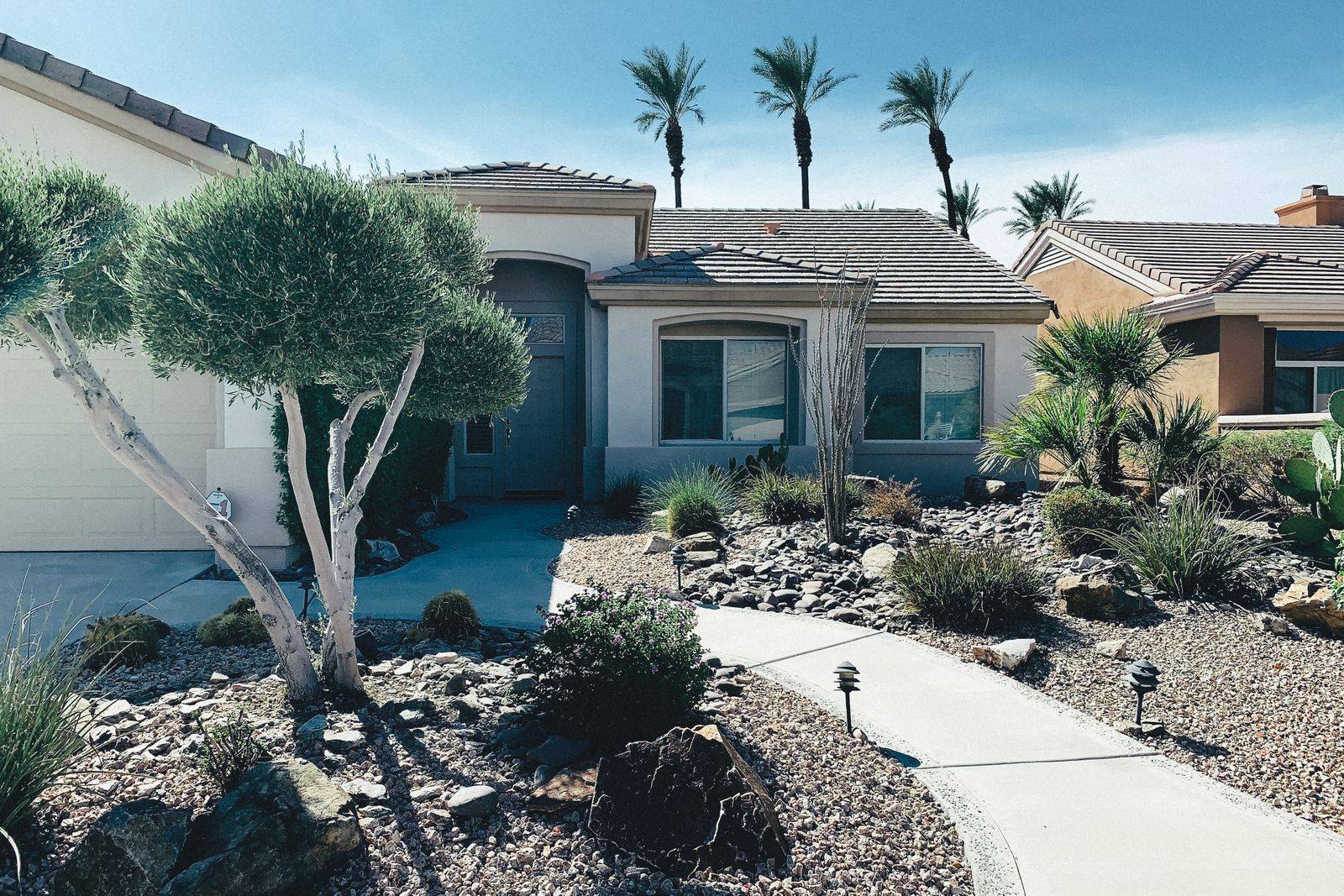
Phoenix breaks the usual gutter script. The metro averages only about seven inches of rain a year, and plenty of older ranch and adobe-influenced homes were built with deep roof overhangs and no gutters at all, which works fine in a place this dry. Where gutters earn their keep is the handful of days it genuinely pours: relentless UV and roof-surface heat cook vinyl components and sealant loose over a couple of summers, and fine desert dust settles into the troughs during the long dry stretches between storms.
- Rainfall pattern
- Rain comes in two separate windows, gentler Pacific storm systems in winter and the July-through-September monsoon, when short, violent downpours (often trailing a haboob dust storm) can drop more water in twenty minutes than a gutter sees in months.
- Freeze risk
- No freeze risk
Common problems in Phoenix
- Clogged Gutters: Causes & Fixes
The signs of a clogged gutter you can spot from the ground, what's actually in there, and how to clear it without making things worse.
- Foundation Drainage: How Gutters Protect Your Foundation
How to tell whether basement moisture is a drainage problem or a structural one, and why the cheap fix is worth ruling out first.
- Sagging Gutters: Causes & Fixes
Why gutters sag, how to tell a hanger problem from a fascia problem, and what re-pitching a run actually involves.
What it costs in Phoenix
How Phoenix compares (USD)
Routine cleaning runs below the national average here simply because there is less to clear, though heat-related sealant and vinyl repairs come up more often than the low rainfall would suggest.
We don't have a separate price sample for Phoenix. For numbers, use the national planning ranges and their sources, then adjust for the factors above.
Want a pro to handle it?
The fastest way to learn what this job costs where you live is to have a few local contractors price it.
- Describe the job once and compare several local pros
- Quotes are free, and you're not committed to hiring anyone
- Worth doing even if you fix it yourself — it tells you what the work is worth
Sponsored link — we may earn a commission if you request a quote, at no cost to you. How we're funded
Find gutter pros in Phoenix on AngiYou continue on Angi to describe the project.
DIY corner
A few picks worth considering given Phoenix's local debris and climate:

Micro-mesh guard
Fine debris — pine needles, seed pods, roof grit
| Debris handled | Fine |
|---|---|
| Install | Snaps onto existing gutter |
Pros
- Blocks the finest debris
- Works over existing gutters
Cons
- Pricier than screen guards
- Can need an occasional rinse
Sponsored link, at no extra cost to you. As an Amazon Associate I earn from qualifying purchases. How we're funded
See current options
Ladder standoff / stabilizer
Any ladder-based gutter work
| Function | Spans roofline, keeps ladder off the gutter |
|---|
Pros
- Protects the gutter from ladder damage
- More stable footing at the top
Cons
- Adds setup time
- Doesn't fit every roof profile
Sponsored link, at no extra cost to you. As an Amazon Associate I earn from qualifying purchases. How we're funded
See current options
Flexible downspout extension
Quick, low-cost fix on most lots
| Length | Extends to ~4–8 ft |
|---|
Pros
- Cheap and easy to install
- Rolls back when not needed
Cons
- Can look untidy
- Less durable than rigid options
Sponsored link, at no extra cost to you. As an Amazon Associate I earn from qualifying purchases. How we're funded
See current optionsPhoenix FAQ
Do I actually need gutters on a Phoenix house?
Some homes here genuinely don't. If your roof has wide overhangs, the ground already slopes away from the foundation, and no door or walkway sits under a roof valley, plenty of Phoenix-area houses go decades without gutters and are fine. Gutters start to make sense when a valley concentrates monsoon runoff onto one spot, when water sheets straight against a foundation on expansive soil, or when you want to keep a patio or an entry you actually use out of the downpour.
Why do my gutters overflow when Phoenix barely gets any rain?
It isn't the annual total, it's the intensity. A monsoon cell can drop half an inch in fifteen minutes, and if the trough is undersized or packed with dust that has collected since the last storm, it can't move that volume fast enough and sheets straight over the front edge. The dust is the part people underestimate: it sits dry for weeks, then the first rain turns it into a heavy, cement-like sludge that blocks the downspout openings.
How often should I clean gutters in a climate this dry?
Once a year covers most Phoenix homes, timed for late June right before monsoon season, so you clear out accumulated dust and any blown-in palm debris before the heavy rain arrives. Skip the twice-yearly schedule that suits wetter, leafier cities. Here the real enemy is the sun, so it's worth checking sealant and vinyl joints for heat cracking while you're up there.