Fall Gutter Checklist
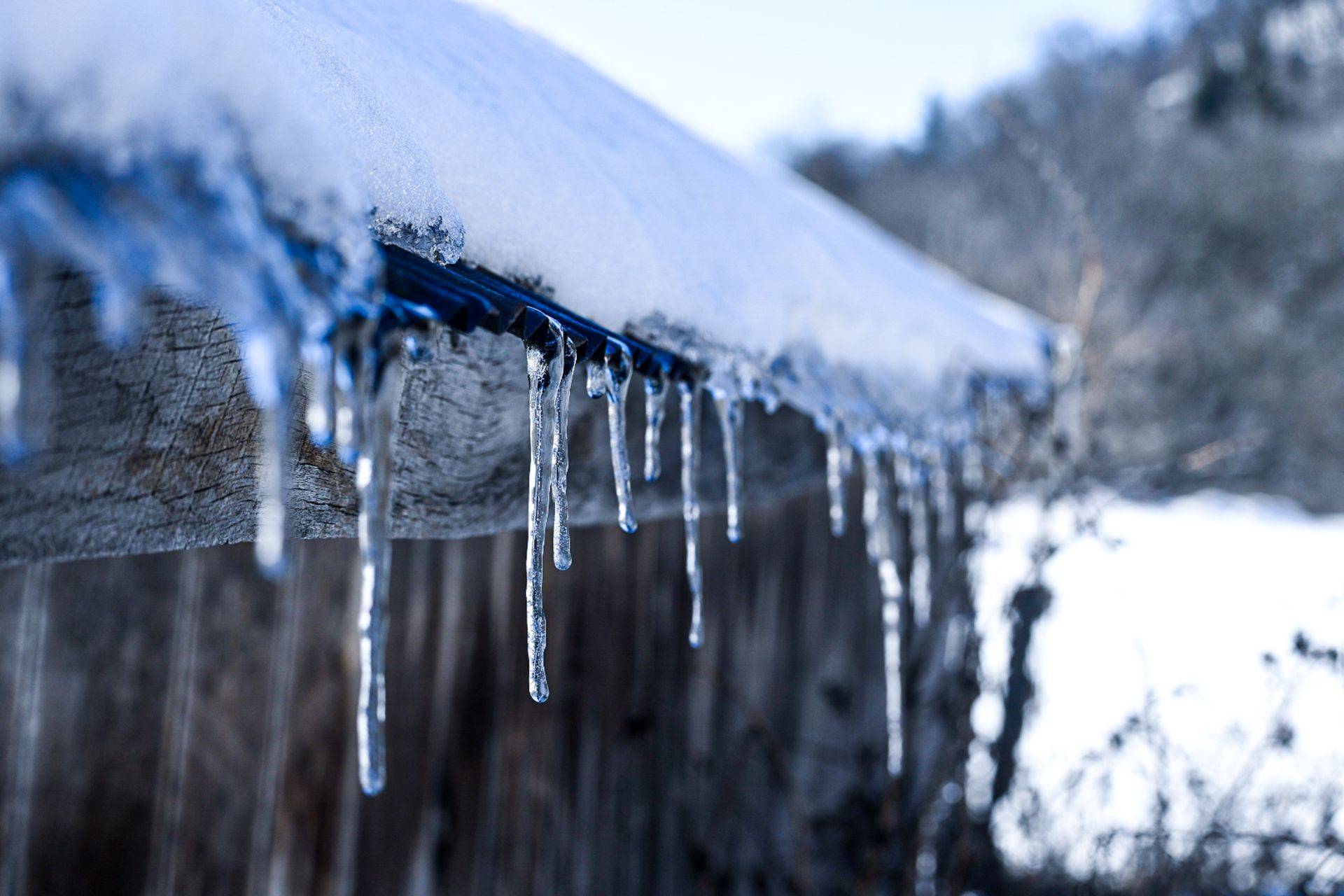
A fall gutter checklist covers clearing the season’s biggest debris load, confirming water actually flows through afterward, and — in freeze-risk climates — a separate hanger and pitch check, all done before the first hard freeze rather than after.
Time it after leaf-drop, not before
Cleaning before most leaves have come down just means repeating the job once the rest fall, so it’s usually better to wait until the bulk of the drop is finished, even if that pushes the timing closer to the first freeze than feels comfortable. Homes under pines, firs, or other year-round shedders don’t get a single clean drop to wait for — see our maintenance schedule guide for how tree cover changes this timing specifically.
Clear the trough and every downspout opening
This is the core of the job and the part most homeowners already associate with “fall gutter cleaning,” but it’s worth doing properly rather than a quick surface pass. Our step-by-step cleaning guide covers the full process, including the downspout-opening step that’s easy to skip since it’s a small area relative to the rest of the run — and skipping it can leave a system looking clear while still backing up at the one point that actually matters.
Run water and watch for backups, not just a visual check
A trough can look empty and still not drain correctly if pitch has shifted or a section has sagged enough to hold water instead of moving it toward the downspout. Flushing with a hose and watching where the water actually goes catches this in a way that eyeballing an empty-looking trough doesn’t. Pooling in the same spot on every flush is worth checking further rather than assuming it’s a one-time fluke.
Check hangers and pitch, not just debris
A gutter that’s structurally sound in summer can be a different story by the time it’s carried a season of wet leaf weight, and loosened hangers are often invisible until a section visibly sags. Give the fascia connection points a look and a gentle push-test while you’re up there anyway for the cleaning. Our guide to sagging gutters covers what actually causes hangers to work loose over time and how to tell a minor issue from one that needs a proper repitch.
In freeze-risk climates, add the pre-winter step
This is a genuinely separate task from cleaning, not just a more thorough version of it: confirming the gutter can structurally handle a season of sustained ice and snow weight, independent of whether it’s currently clear of debris. Skipping this step in a high freeze-risk climate means finding out about a marginal hanger only once it’s failed under winter load. Our guide to ice dams covers why the freeze-thaw cycle specifically targets the gutter line and what a proper pre-winter check should include.
Trim back anything overhanging the roofline
A branch that hangs directly over a gutter section keeps depositing debris no matter how thoroughly you clean, and a heavy, wet branch that breaks in a winter storm can do real damage to a gutter run beneath it. A fall trim-back, done at the same time as the cleaning, addresses a debris source at the cause rather than just managing its ongoing symptoms every time you climb up.
Check the splash zone at ground level too
While you’re already doing a fall pass, glance at the ground beneath each downspout outlet. Erosion, pooling, or a visible channel worn into the soil are signs water isn’t getting routed far enough away from the foundation, which is a downspout extension problem rather than anything the trough-clearing part of this checklist fixes. It’s an easy thing to notice while you’re already out there and easy to miss entirely otherwise, since it’s not something you’d normally think to check from the ladder.
Photograph problem spots while you’re up there
A quick photo of a sagging section, a cracked seam, or a downspout that’s pulling away from the wall gives you a real reference point later, whether you’re tracking whether a problem is getting worse over successive seasons or explaining exactly what you’re seeing to a contractor over the phone. It costs nothing and takes a few seconds, and it’s far more useful than trying to describe a specific problem spot from memory weeks later once you’re actually getting quotes.
A five-minute version if that’s all you have time for
Clear visible debris from the trough, run a hose through it and confirm water exits cleanly at the downspout, and do a quick visual scan for any obviously sagging sections. It’s not a substitute for the full checklist above in a freeze-risk climate or under heavy tree cover, but it catches the most common, most consequential problems if a full pass genuinely isn’t going to happen before the weather turns.
Frequently asked questions
Is fall cleaning enough on its own, or do I need a spring check too?
Most homes benefit from both — spring clears what accumulated over winter plus pollen and seed drop, fall clears the year's biggest single debris load. Fall matters more if you only have time for one.
What if the leaves haven't fully dropped yet when I want to do this?
Cleaning too early just means doing it again once the rest of the leaves come down. It's usually better to wait until most of the drop is done, even if that means cutting it closer to the first freeze than you'd like.
Do I need to do the hanger and pitch check every single fall, even in a mild climate?
It matters most in high freeze-risk climates where ice weight stresses hangers every winter. In milder climates with low freeze risk, a quick visual check is reasonable without treating it as a mandatory separate step.